What is Perlora?
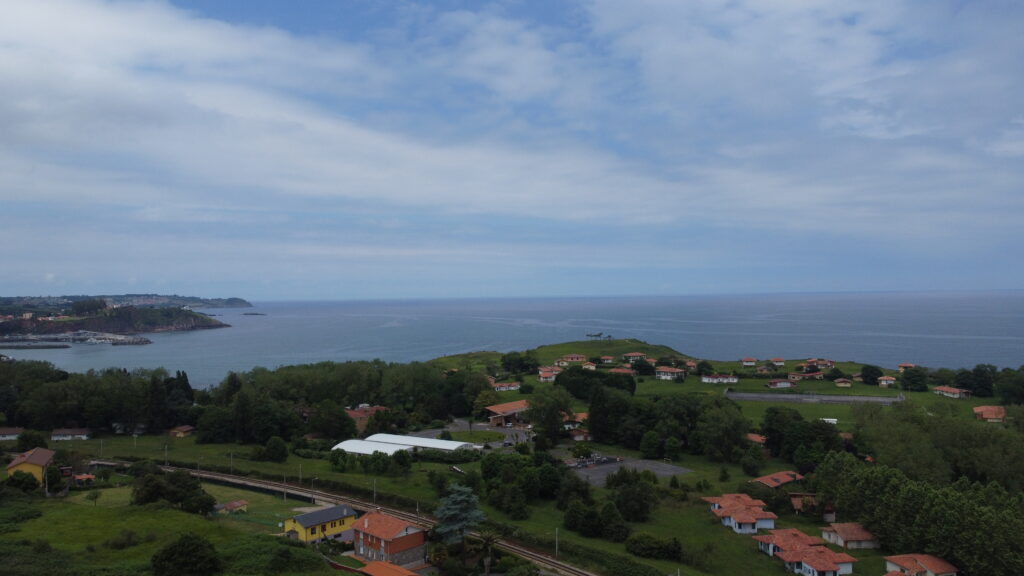
Perlora is located in the municipality of Carreño between the towns of Candás and Gijón. Today, it is one of the most unusual places in Asturias: a huge abandoned resort complex right on the shores of the Bay of Biscay, which many call the “ghost town by the sea.”
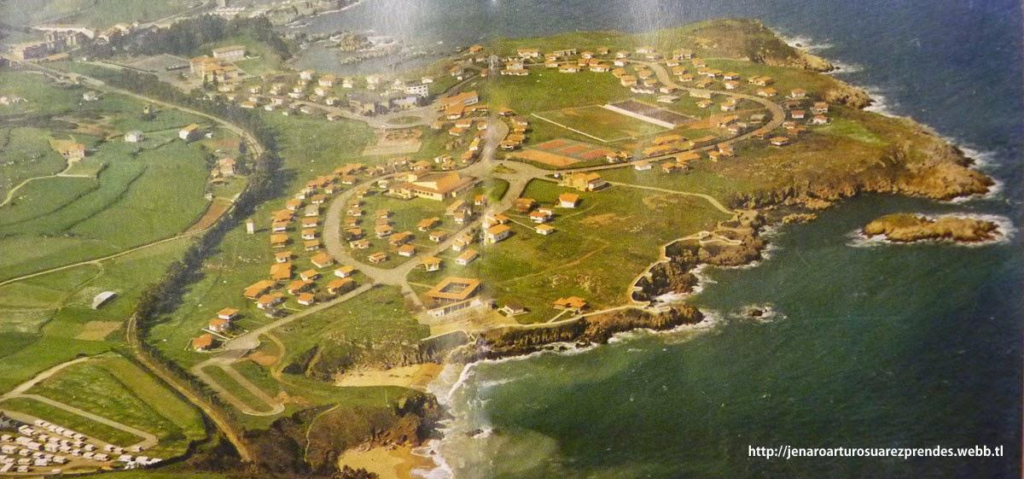
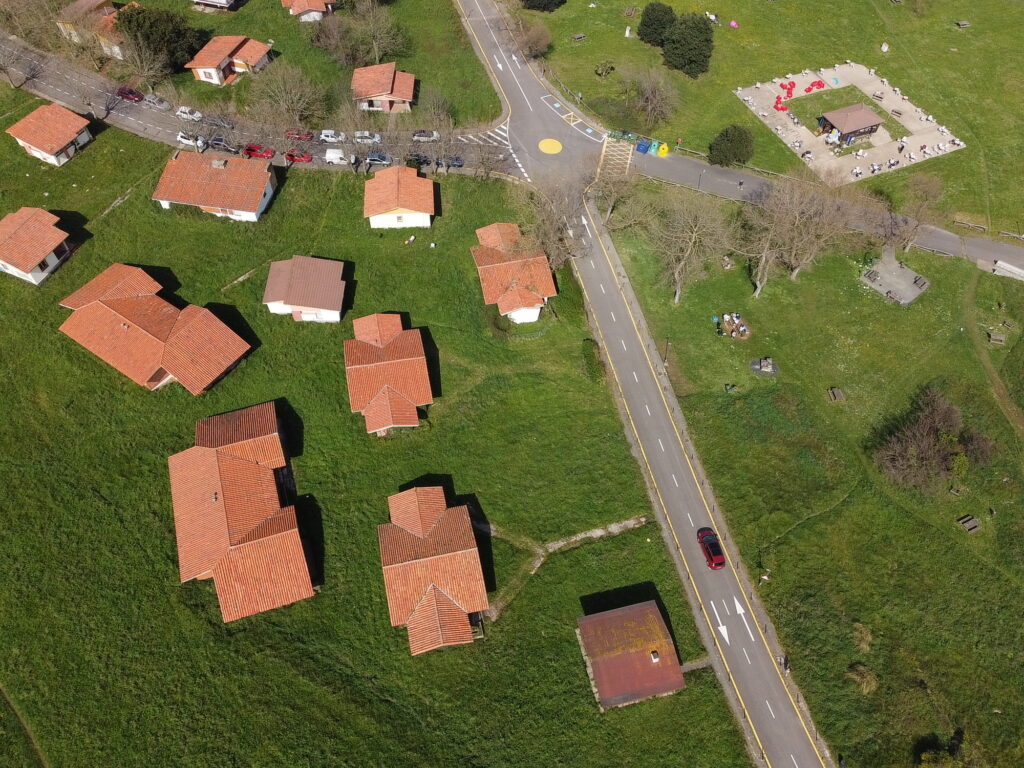
The official name of the complex was Ciudad Residencial Perlora or Ciudad de Vacaciones de Perlora. It was not just a resort, but an entire holiday town with its own streets, cottages, restaurants, sports facilities, a church, children’s areas, and access to the beaches.
perlora ciudad de vacaciones 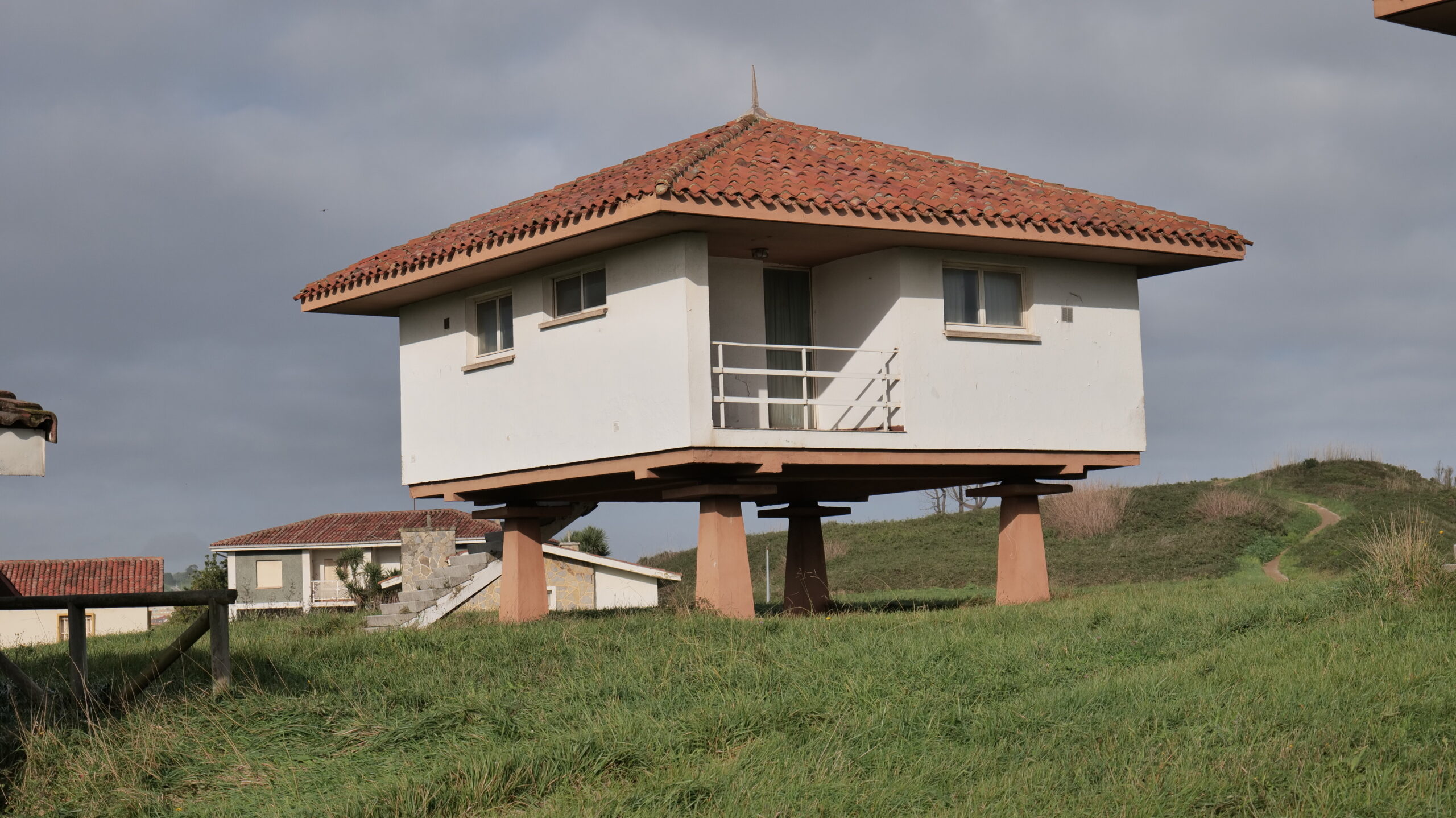
perlora ciudad de vacaciones 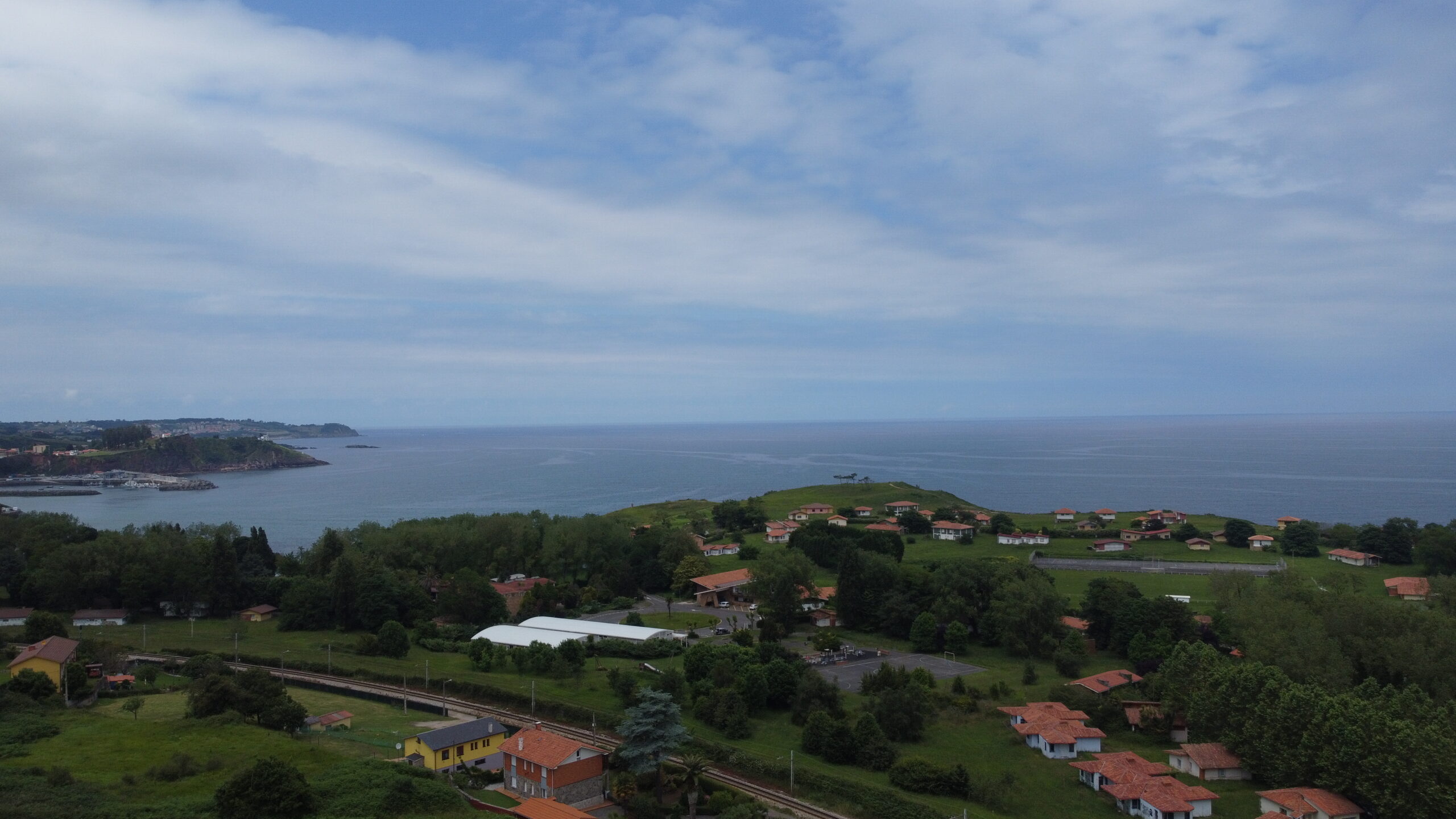
perlora ciudad de vacaciones 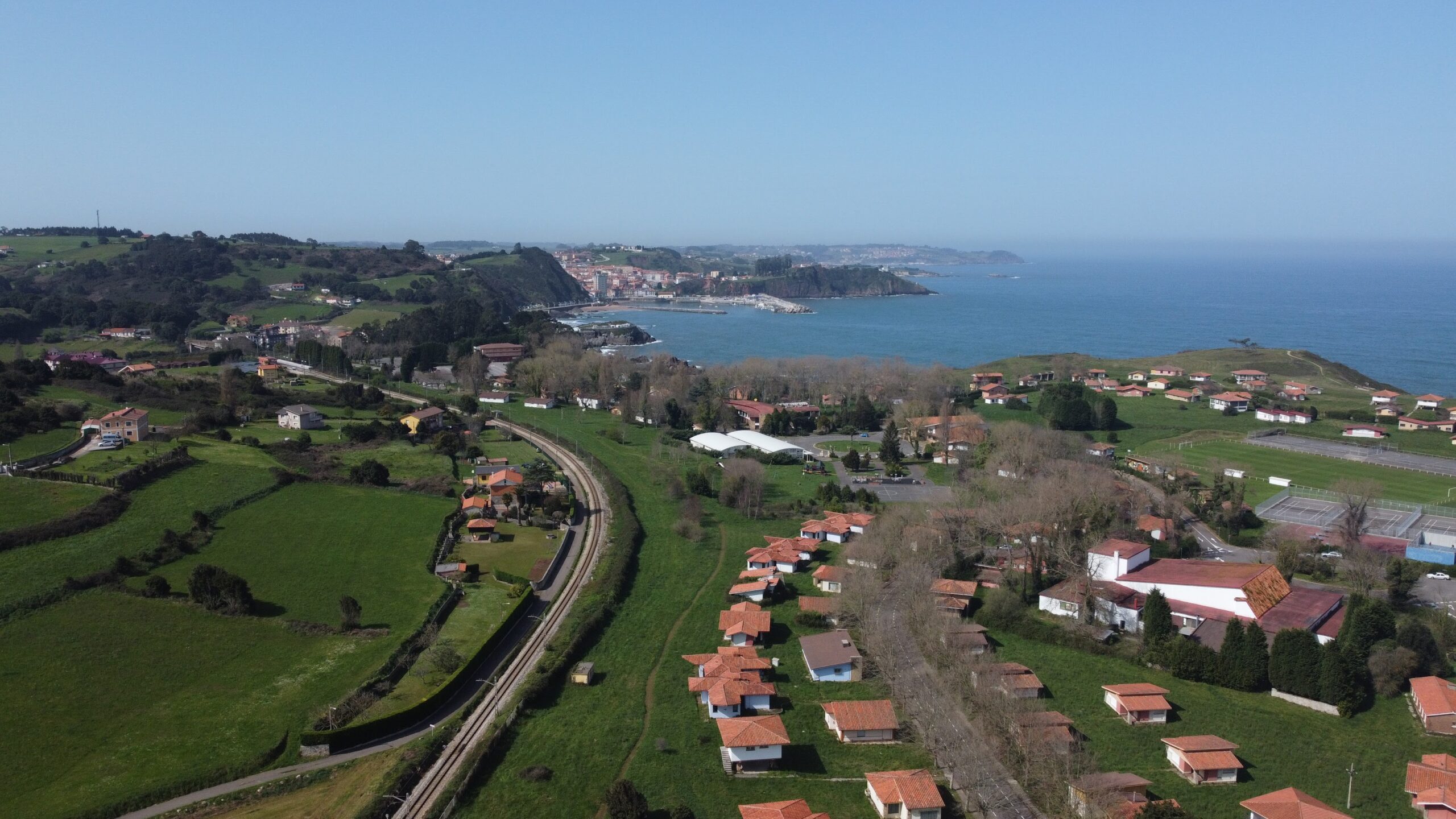
perlora ciudad de vacaciones 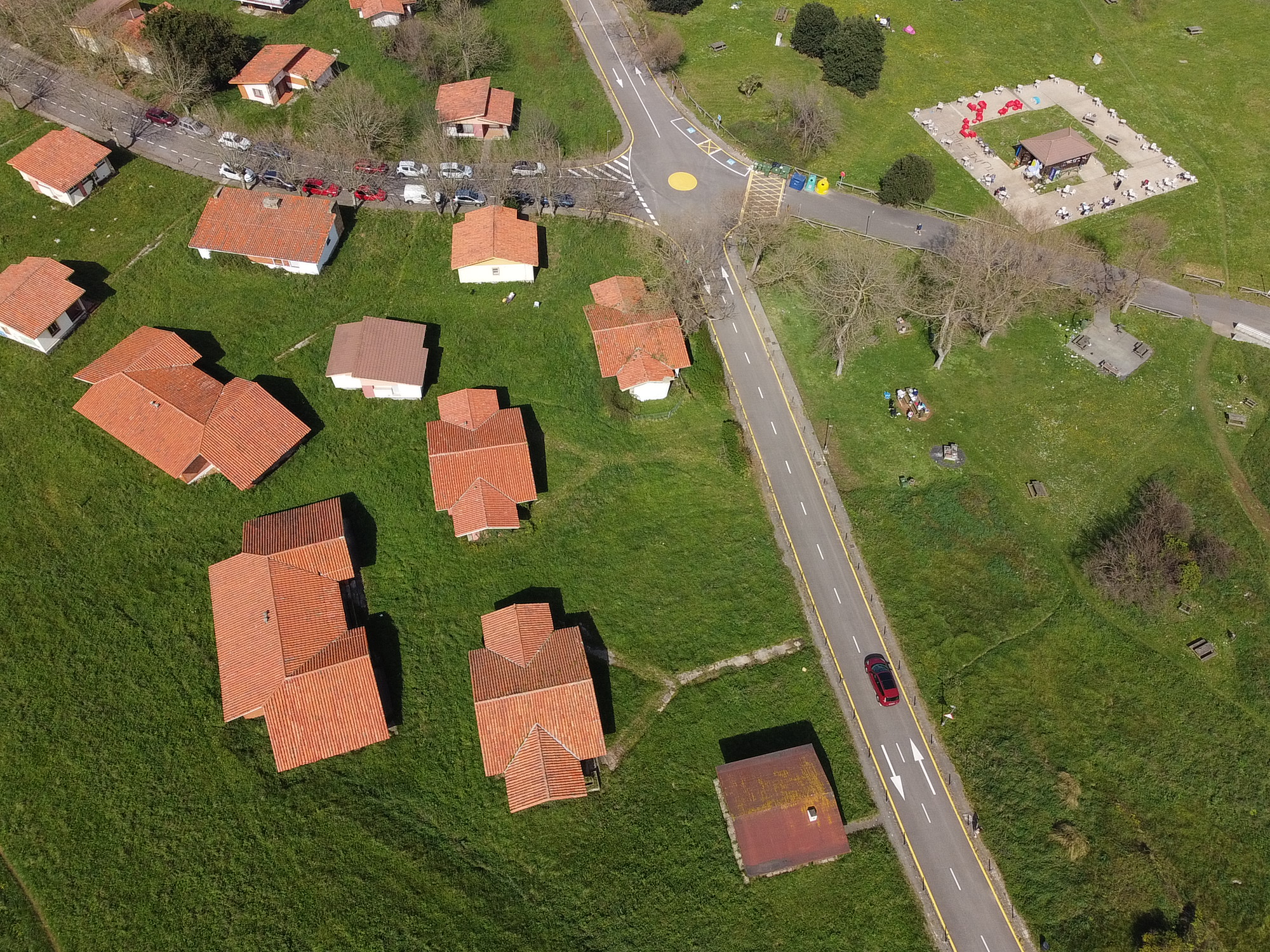
perlora ciudad de vacaciones
History of Creation
Perlora was opened in 1954 at the initiative of the state organization “Educación y Descanso,” which existed during Franco’s regime. The main goal was to provide working families from all over Spain the opportunity to vacation by the sea at affordable prices.
In those years, a trip to the coast was an unattainable luxury for many Spaniards. Perlora became a kind of social project: families were given the chance to spend their holidays by the ocean in comfortable conditions for little money.
The complex quickly gained popularity throughout the country and became one of the symbols of mass tourism in Spain during the 1960s and 1970s.
A Town Within a Town
Perlora occupied more than 20 hectares of coastline and was designed as a “garden city.” Instead of huge hotels, small cottages surrounded by green areas were built here. The architects aimed to create an atmosphere of peaceful family recreation.
On the territory, there were:
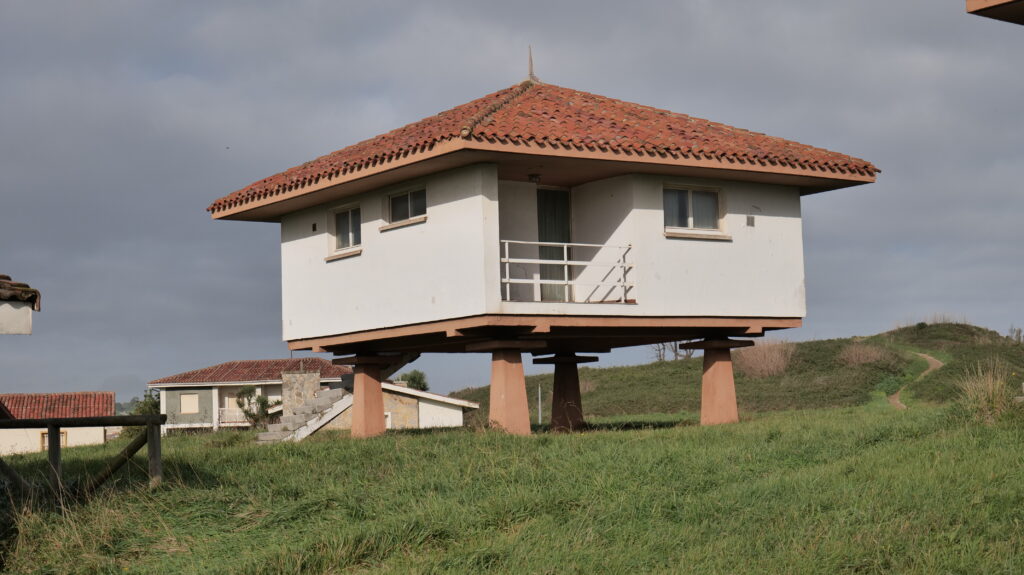
- about 274 residential cottages;
- more than 30 different architectural types of buildings;
- a hotel;
- dining halls and restaurants;
- a library;
- a laundry;
- a medical point;
- a church;
- sports facilities;
- mini-golf;
- children’s play areas;
- picnic and barbecue areas.
At the peak of its popularity, thousands of people from all over Spain vacationed here at the same time.
Architecture Ahead of Its Time
Perlora is of particular interest to architecture enthusiasts.
Many buildings were constructed in the mid-20th century modernist style. Some houses interpreted traditional Asturian forms, including motifs of hórreo (Asturian granaries on stilts). The architectural ensemble was so unusual that it was later included in the catalog of architectural heritage of the Modern Movement.
Especially notable were:
- the administration building;
- the Church of the Holy Family;
- the main dining halls;
- service pavilions;
- original residential bungalows with large windows and terraces.
Why has Perlora fallen into decline?
After Spain transitioned to democracy, the subsidized vacation system gradually lost its meaning.
In 1982, the management of the complex was handed over to the Asturian government. However, it became increasingly difficult to compete with modern resorts. The infrastructure became outdated, costs rose, and the number of vacationers decreased.
In 2005-2006, the complex finally ceased operations. Since then, most buildings have remained empty. Some have been demolished, while others continue to deteriorate under the influence of the ocean climate.
Perlora Today
Despite its abandonment, Perlora remains a popular place for walks.
People come here:
- photographers;
- urbanists;
- history enthusiasts;
- tourists;
- families with children;
- fans of marine landscapes.
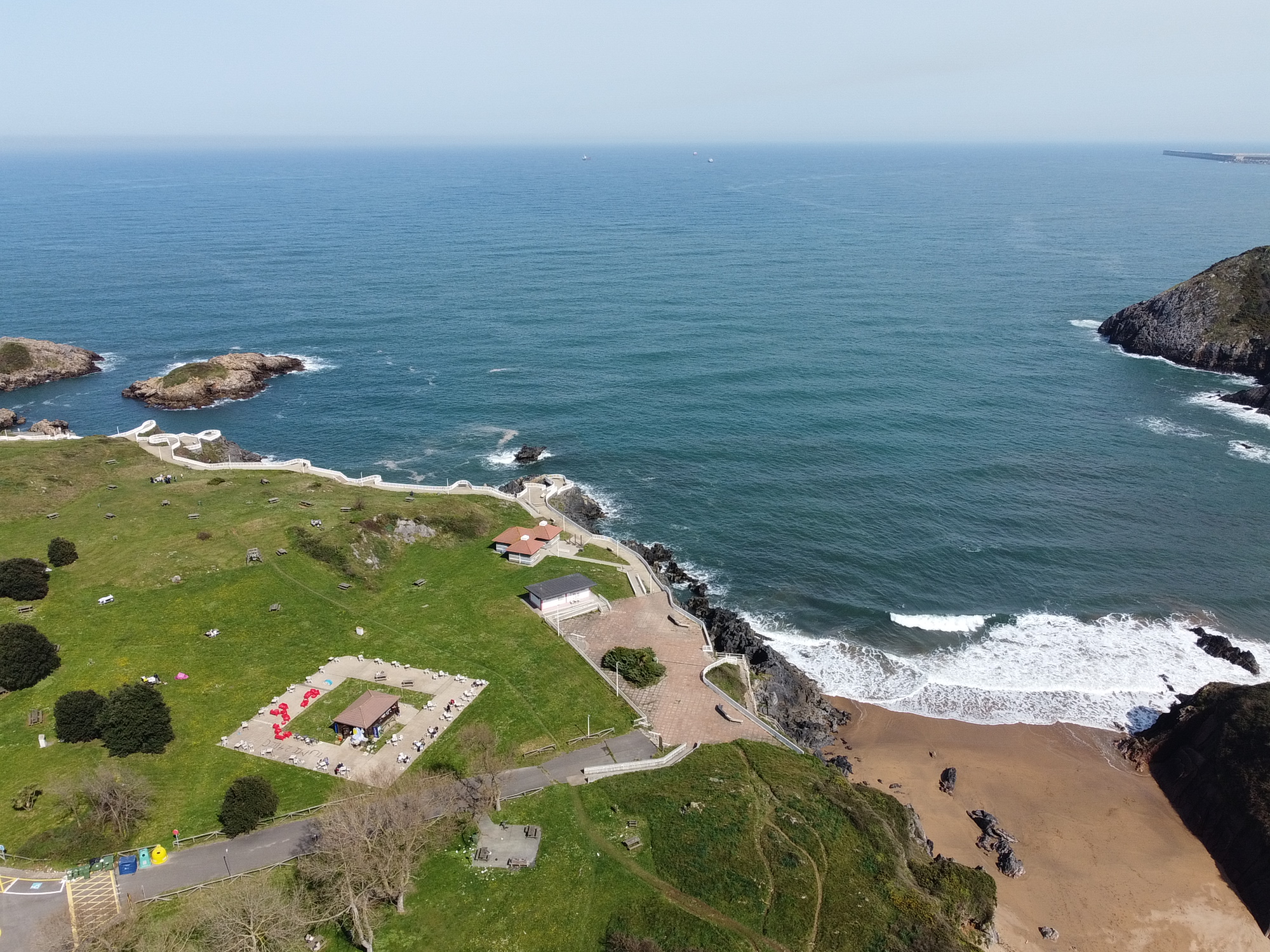
There are paths, viewing platforms, and access to several beaches on the territory.
The most famous beaches are:
- Playa de Carranques;
- Playa de Huelgues (Güelgues);
- Playa de La Isla;
- small hidden coves along the coast.
A picturesque stretch of coastline runs through Perlora, offering views of cliffs, the ocean, and the island of Entrellusa.
Legends and Nostalgia
For many Asturians, Perlora remains a part of family memory.
Thousands of people saw the sea for the first time right here. Many met their future spouses during summer camps. Old photographs of Perlora are still actively shared on social media and local historical communities.
Due to the combination of beautiful nature and semi-ruined buildings, the place has acquired an almost cinematic atmosphere. Some compare it to the set of a post-apocalyptic film, where nature gradually reclaims human territory. 🌿
Does Perlora Have a Future?
In recent years, the authorities of Asturias have been discussing a large-scale restoration project for the complex. It is planned to preserve the historical architecture and return the area to a tourist purpose. Plans for reconstruction and a long-term concession for investors have already been prepared.
The main task is to maintain the unique character of the “garden city” while simultaneously creating a modern tourist facility.
How to Get There
Perlora is located approximately:
- 3 km from Candas;
- 15 km from Gijón;
- 30 km from Oviedo.
Ways to get there:
- by car via the AS-388 road;
- by suburban train Cercanías (stop at Perlora);
- on foot along the coastal routes of Carreño.
Interesting Fact
Perlora was one of only three major “holiday towns” of its kind in Spain. Its “sisters” were the resort complexes in Tarragona and Marbella. This is why Perlora is considered a unique monument to the history of Spanish social tourism in the 20th century.
Today, Perlora remains one of the most mysterious places in Asturias: a magnificent seaside park, an architectural monument, and the largest abandoned resort in northern Spain.