Playa de Cobijero: one of the most unusual beaches in Asturias
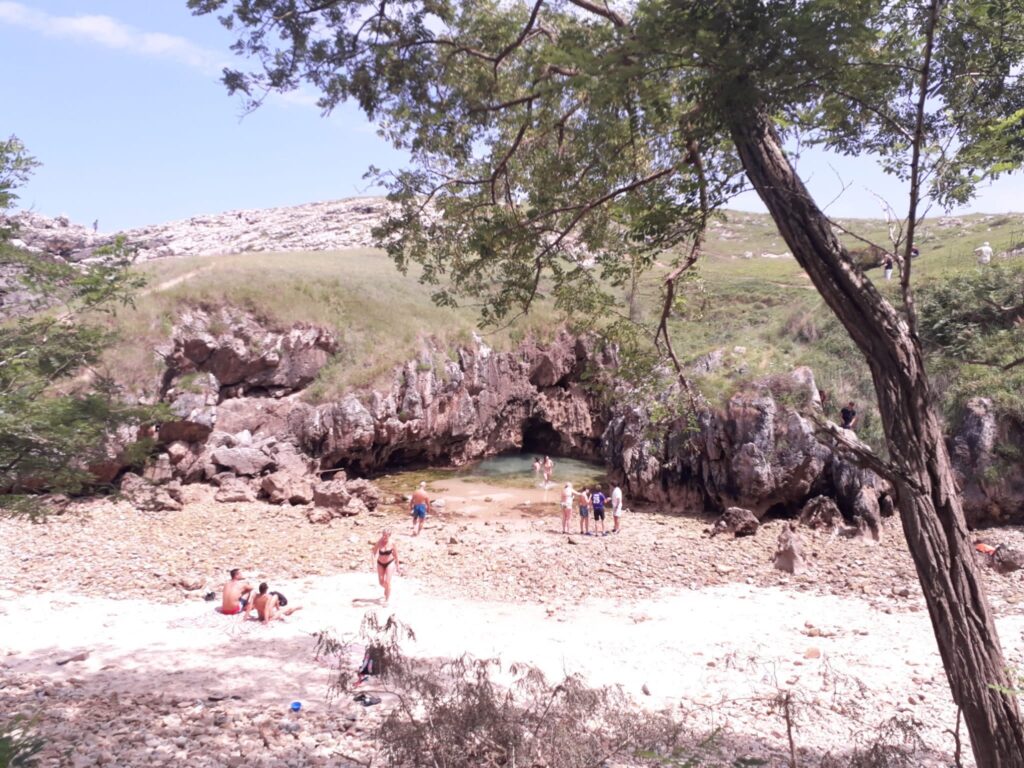
Playa de Cobijero (astur. Playa de Cobijeru) is considered one of the most astonishing natural corners of Asturias. Unlike most beaches along the coast, it is located not on the open sea shore, but within a karst valley, surrounded by green meadows and limestone cliffs.
At first glance, it seems as if a small sandy beach has accidentally found itself in the middle of the countryside. Only by listening to the sound of the waves do you realize that the sea is very close and connects to the beach through a system of underground caves.
This place is especially valued by photographers, lovers of unusual landscapes, and travelers who want to see a lesser-known but incredibly beautiful side of Asturias.
Where it is located
Playa de Cobijero is located near the village of Cobijero in the municipality of Llanes, on the eastern coast of the region.
The distance is approximately:
- 15 km from Llanes;
- 100 km from Oviedo;
- about 90 km from Santander.
You can reach the beach by car, after which you only need to walk a few minutes along a picturesque rural path.
Why is this beach so unusual?
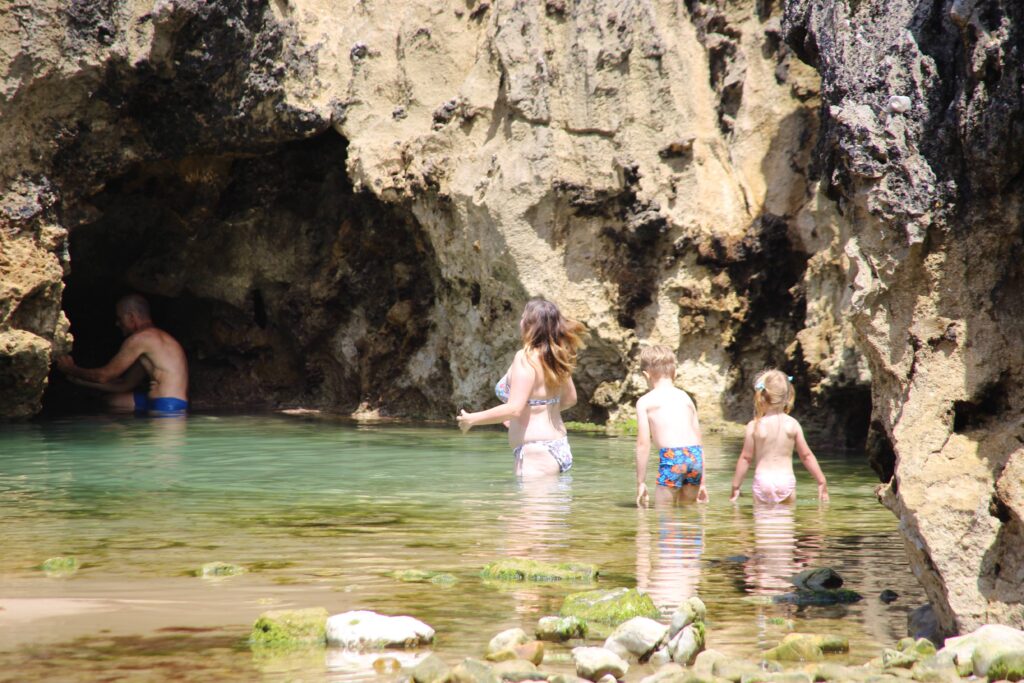
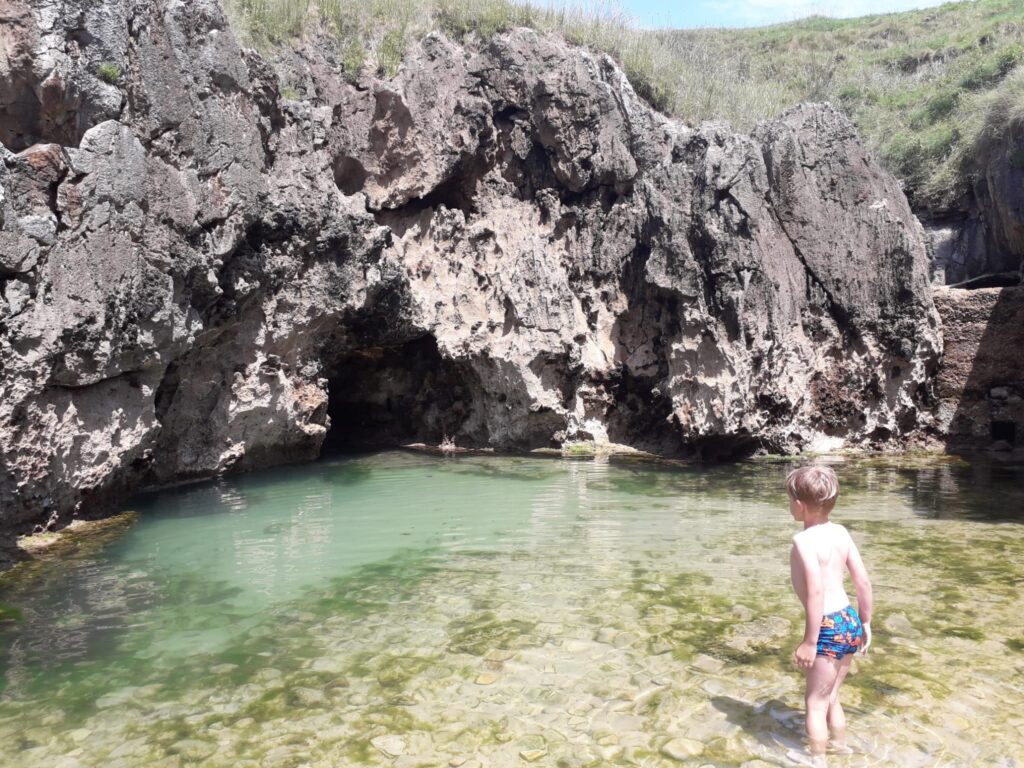
The main feature of Playa de Cobijero is that it does not directly lead to the sea.
The beach is located in a deep karst depression formed by centuries of limestone dissolution. Once, there was a large cave here, the roof of which eventually collapsed, creating a natural basin.
Today, seawater flows here through long underground channels and caves. During high tide, the water gradually fills a small lagoon, while at low tide, a significant part of the sandy bottom becomes visible again.
Because of this, the water level changes several times a day.
Natural monument
Playa de Cobijero is part of the protected area Monumento Natural de Cobijeru.
This status was granted due to the unique combination of:
- karst relief;
- marine caves;
- rare geological formations;
- rich coastal vegetation;
- habitats for marine birds.
This is one of the best examples of the interaction between the sea and limestone rocks on the Cantabrian Sea coast.
Sea cave
Not far from the beach, there is an impressive sea cave with a natural opening to the open sea.
During strong agitation, ocean waves crash through underground galleries, creating a powerful noise and splashing through cracks in the rocks. Sometimes you can hear this roar even before you see the shore itself.
Above the cave, there are viewing platforms overlooking the rocky coastline and the Cantabrian Sea.
Beach
The beach itself is quite small.
Its length is about 30 meters, and its width varies significantly depending on the tide.
The surface consists of:
- light fine sand;
- small patches of pebbles;
- natural limestone outcrops.
Due to the limited space, it can get crowded here in the height of summer, so those who prefer tranquility should come in the morning or outside of the high season.
Is swimming allowed?
Yes, but with caution.
Swimming is possible when the lagoon is filled with water, but several features should be taken into account:
- the depth depends on the tide;
- the water level can change rapidly;
- during rough seas, strong currents occur in the underground channels;
- there is usually no permanent lifeguard service on the beach.
It is advisable to check the tide schedule before visiting.
Best time to visit
Playa de Cobijero is beautiful at any time of year, but the experiences will be different.
During high tide, the lagoon turns into a small natural pool with turquoise water.
During low tide, you can better see the sandy bottom, karst formations, and appreciate the unusual shape of the basin.
After rains, the surrounding meadows become especially green, creating a bright contrast with the white limestone cliffs.
Walk to the sea
A short path to the open coast begins at the beach.
The route passes through green pastures and leads to high cliffs.
From here, there are magnificent views of:
- the Cantabrian Sea;
- sheer cliffs;
- natural arches;
- marine caves.
This is one of the most photogenic places in eastern Asturias.
Flora and fauna
The protected area is characterized by high biological diversity.
Here you can encounter:
- seagulls;
- cormorants;
- falcons;
- various species of marine plants;
- typical Atlantic coastal meadow vegetation.
In spring, the surrounding fields are covered with flowers, making the walk especially picturesque.
Tips for Visiting
If you are planning a trip, keep a few recommendations in mind:
- wear comfortable shoes for walking on dirt paths;
- bring water, especially in summer;
- exercise caution near the edge of the cliffs;
- do not leave trash, as the area is a natural monument;
- check the tide times in advance if you want to see the lagoon filled with water.
What to See Nearby
A visit to Playa de Cobijero can be conveniently combined with other attractions in eastern Asturias:
- Bufones de Pría, where sea waves forcefully shoot fountains of water through cracks in the rocks;
- Playa de Gulpiyuri, another famous inland beach, also connected to the sea by underground channels;
- Playa de Torimbia, one of the most beautiful beaches in the region;
- the historic center of Llanes with its port, medieval walls, and the famous installation Los Cubos de la Memoria.
Interesting Facts
- The name Cobijeru comes from the Asturian language.
- The beach is considered one of the best examples of karst processes on the coast of Spain.
- Due to its unusual location, the sound of the surf is hardly heard here, even though the sea is only a few dozen meters away.
- This is one of the most photographed natural places in the municipality of Llanes.
- On clear days, the contrast between the bright green meadows, white limestone cliffs, and turquoise water creates a truly unique landscape.
Why Visit Playa de Cobijero?
Playa de Cobijero is hard to compare to ordinary beaches. It is a place where the sea hides underground, and a sandy lagoon appears among the green meadows like a natural mystery. Unique geology, picturesque views, walks along the cliffs, and proximity to other attractions in eastern Asturias make this corner one of the most unusual and memorable places along the entire coast of the region. It will especially appeal to those looking for not just a swimming spot, but an opportunity to see a rare natural phenomenon and feel the atmosphere of wild Atlantic nature.